A prison break, a time machine, a blown card suit, a locked office at 9pm — seven games, seven doors. This is what's on the other side of each one.
Gaurav Dhenki is a game designer and narrative designer working across puzzle and systems design as well, with a background in 3D art and animation that shows up in how he thinks about every project — not just what a mechanic does, but how it should look, sound, and feel the moment a player encounters it.
His work spans a deliberately wide range of genres — a memory-puzzle arcade game for children, a probability-driven royal card game, a neon casino maze, a physics-chained co-op racer, a satanic-cult escape room, a luxury card-prediction game, and a time-travel puzzle adventure — but the same instincts run through all of them: give every mechanic a reason to exist inside the story, and never let a system feel arbitrary.
Holds an MA in Design from Kingston University London (2024) and a B.Des in Animation & VFX from ITM-IDM (2023), and works comfortably across Maya, Blender, Substance Painter, Unity, and the full Adobe suite — the same toolset that lets him move fluidly between writing a scoring table and building the asset that sits behind it.
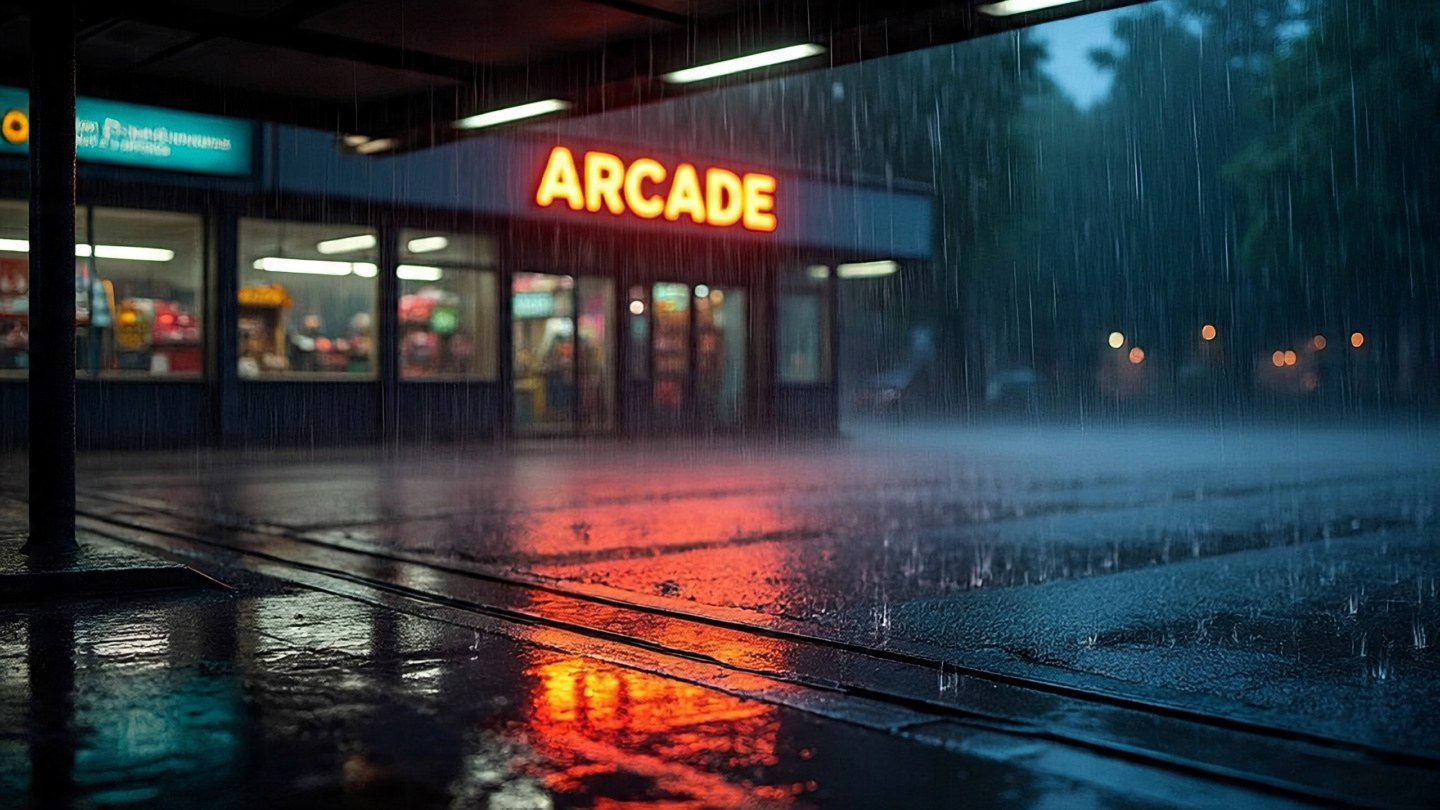
A memory-puzzle escape wrapped in neon cabinets, built for kids.
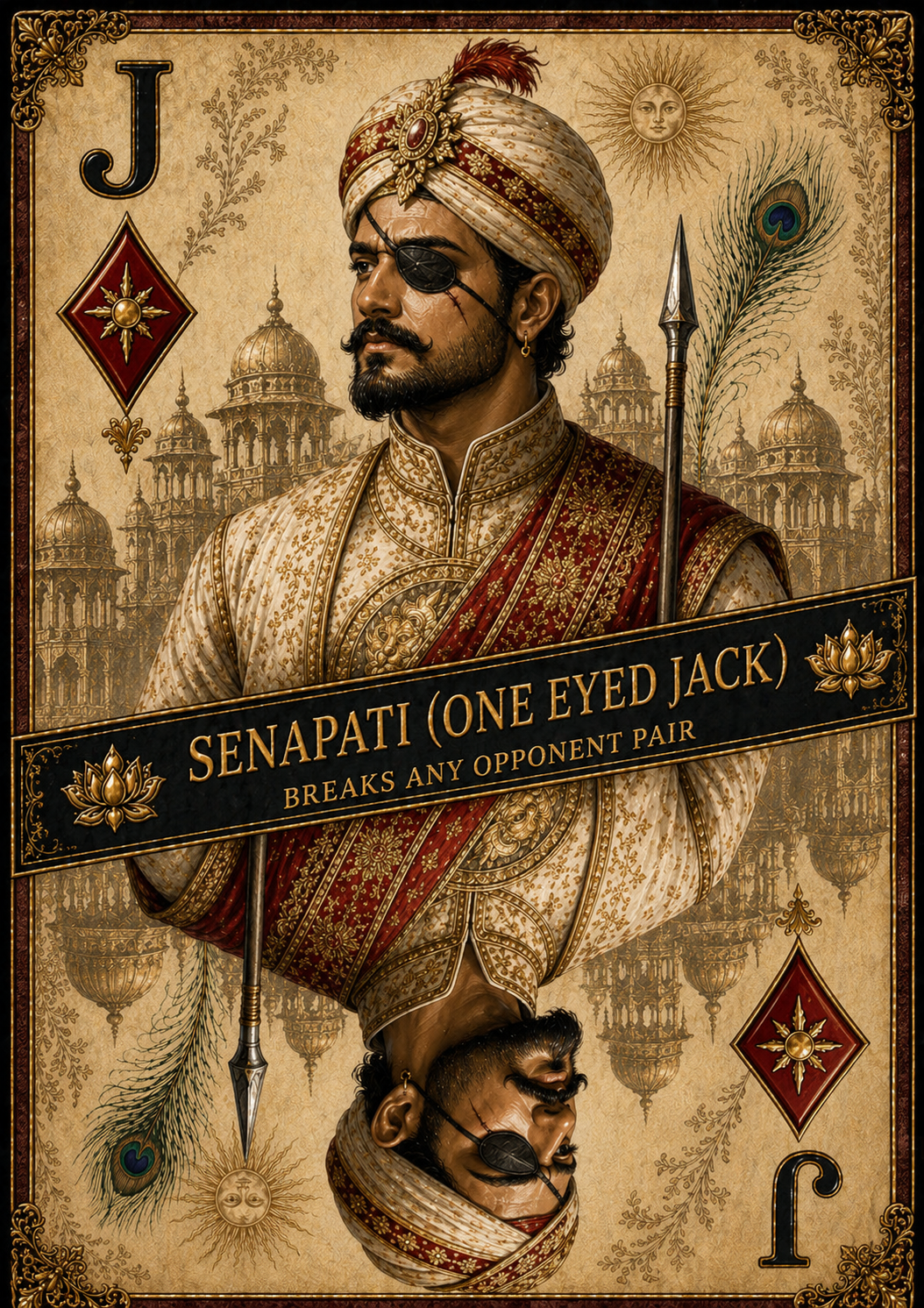
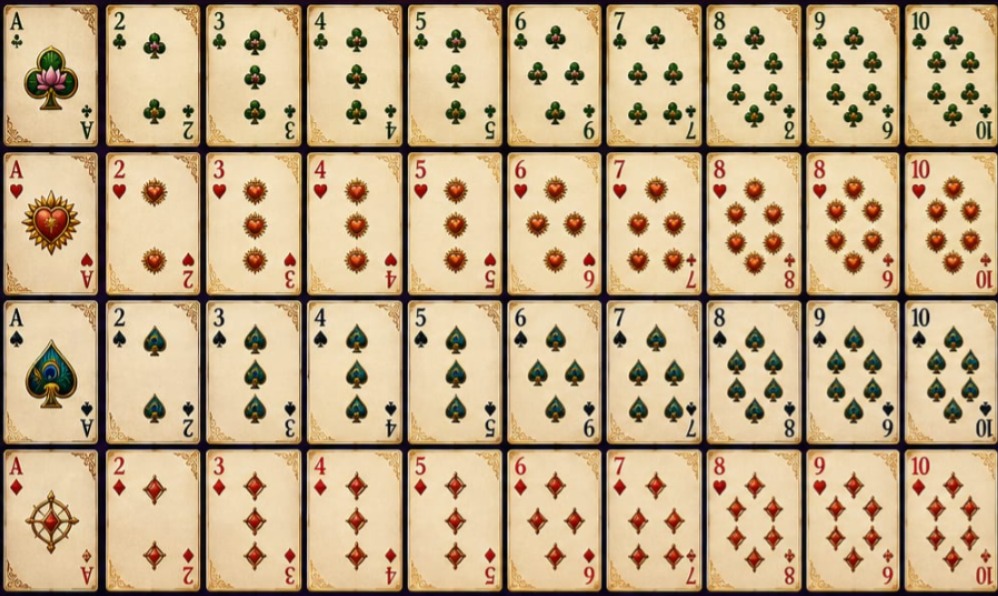
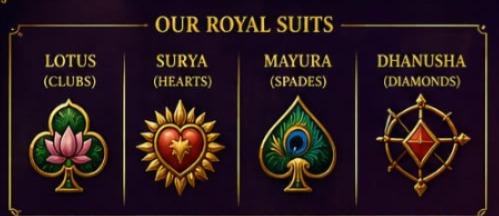
A royal pairing card game where rarity, not luck, sets the score.
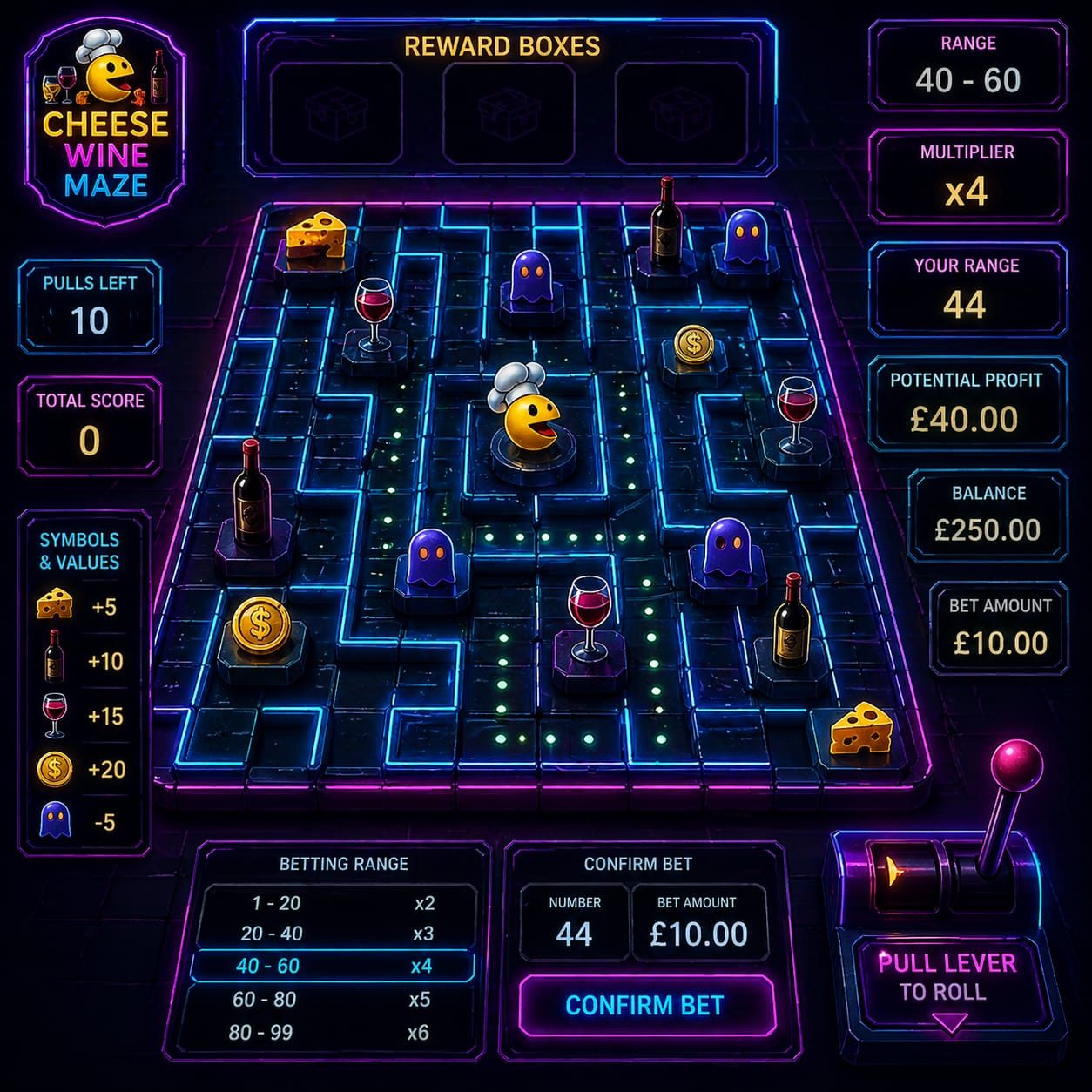
A Pac-Man maze rebuilt as a probability-driven betting game.
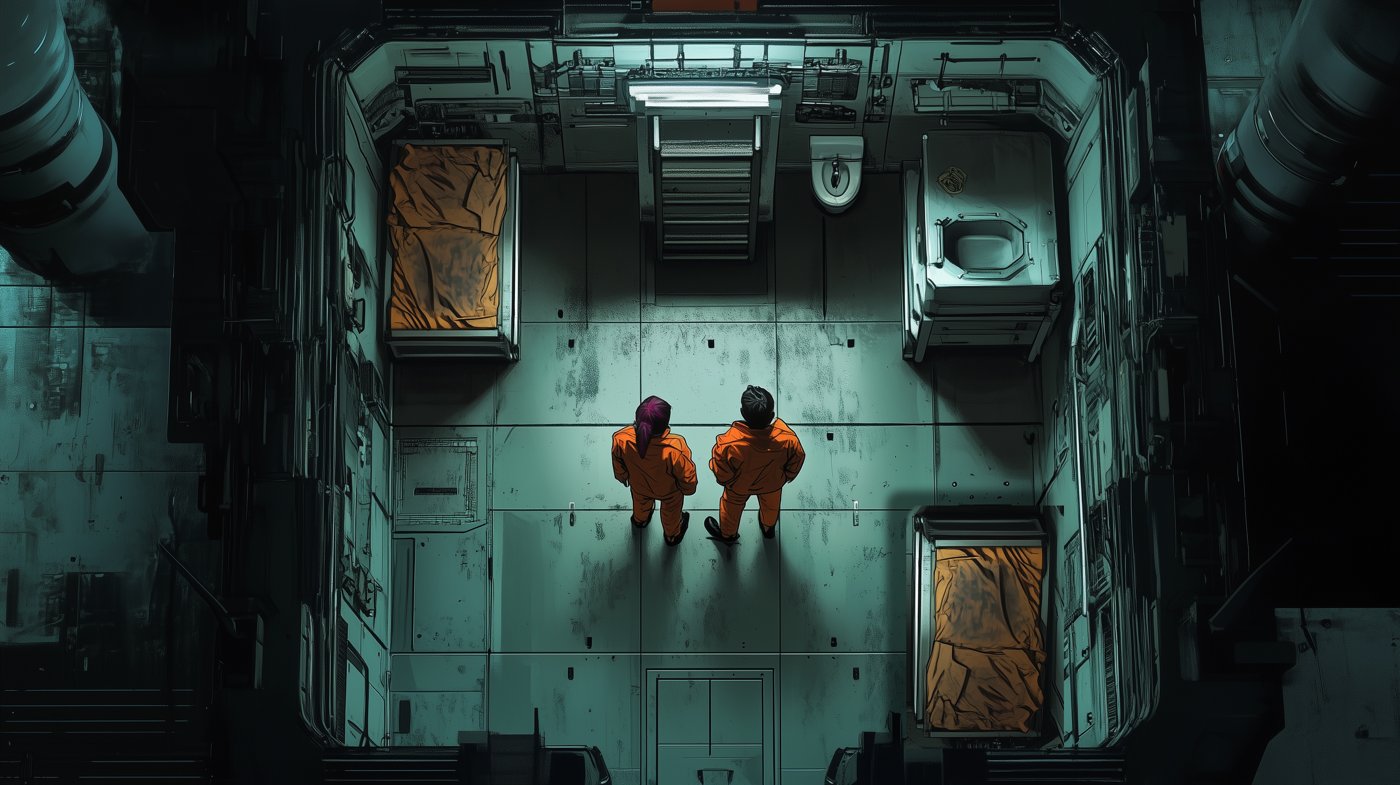
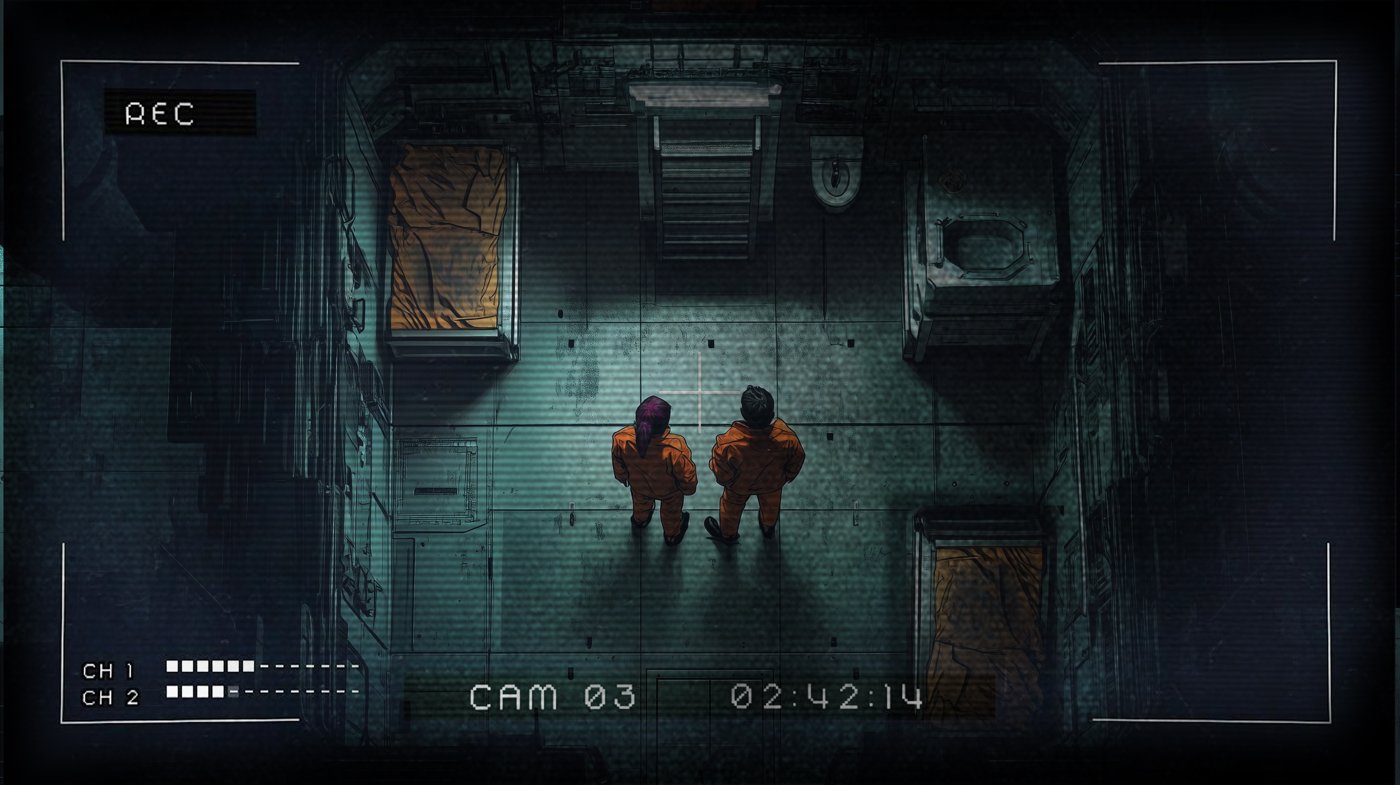
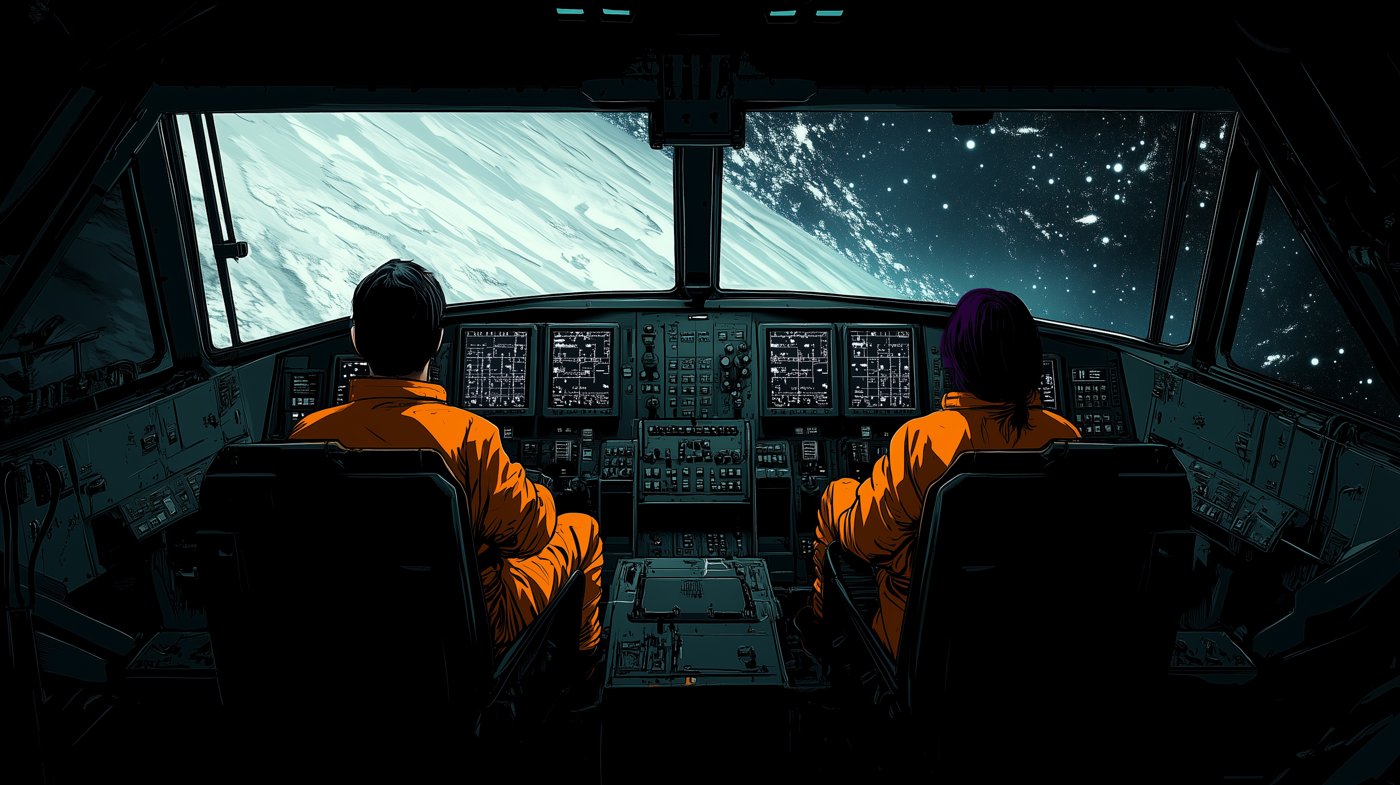
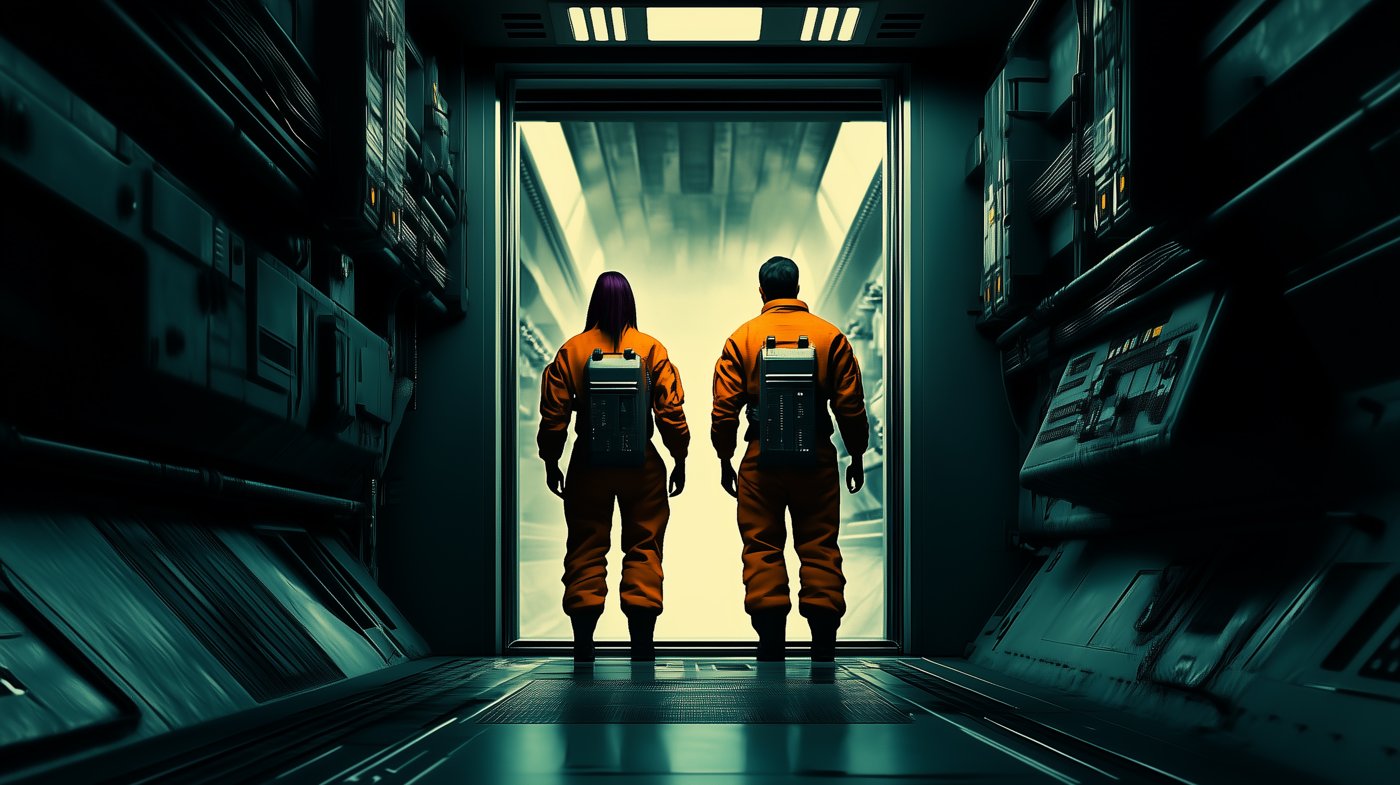
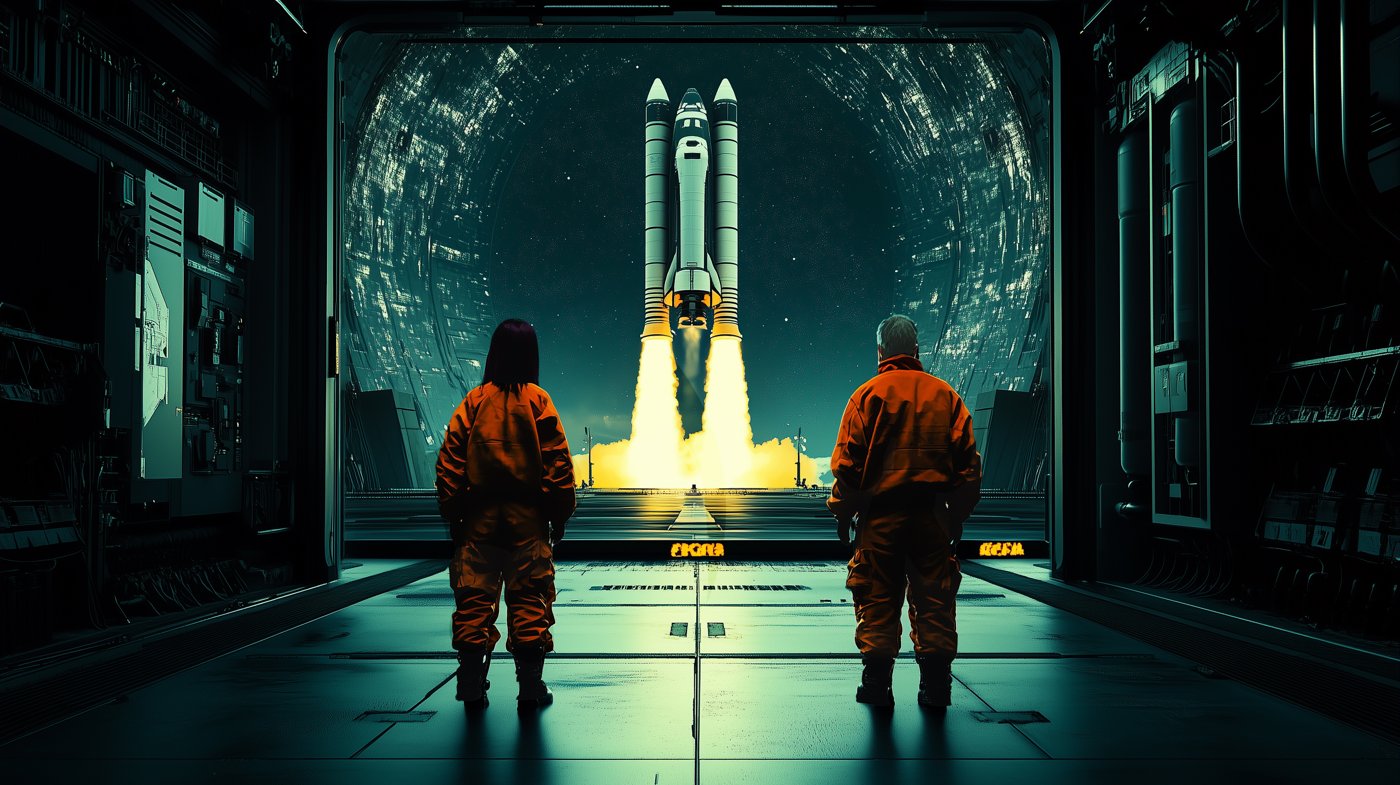
Two prisoners, one shuttle, and a chain neither of them can escape.
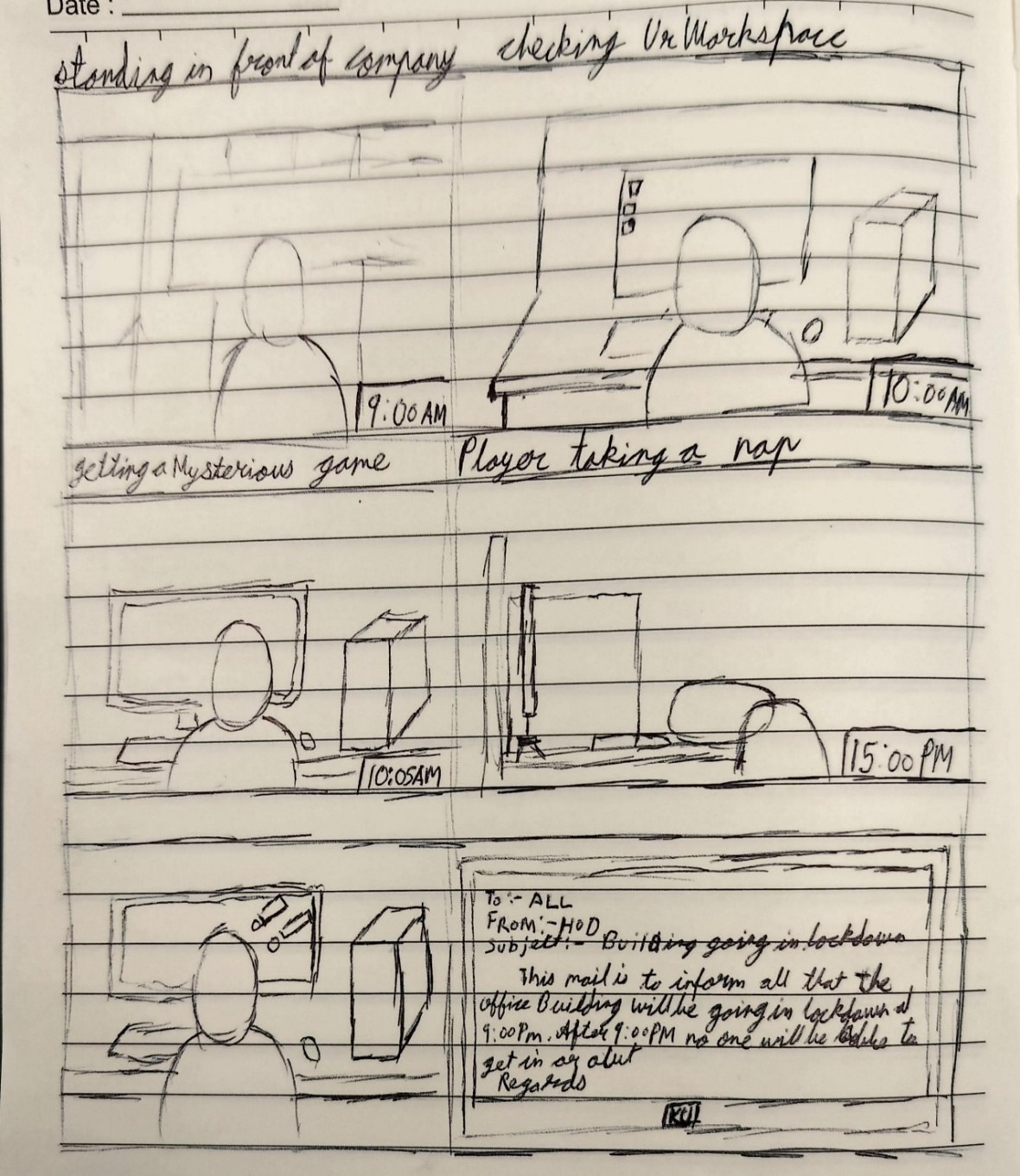
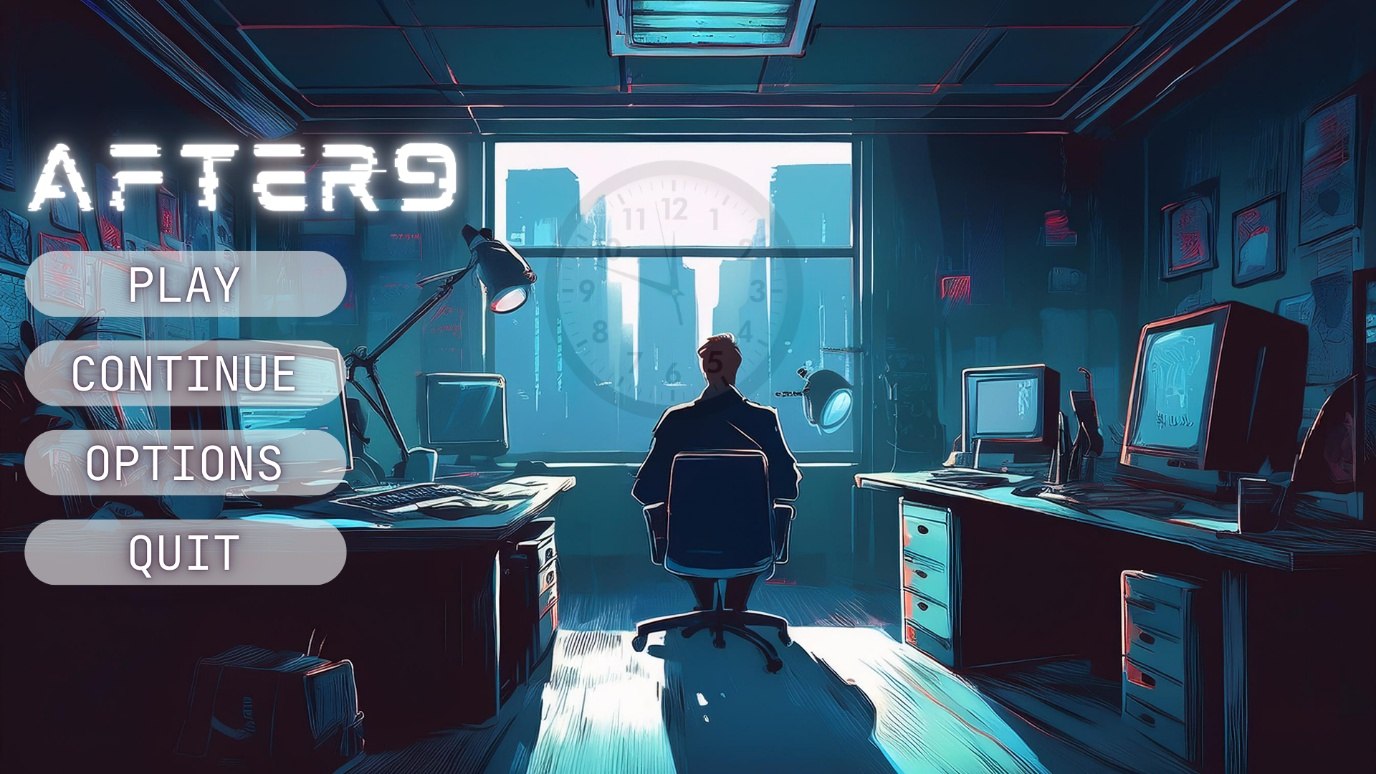
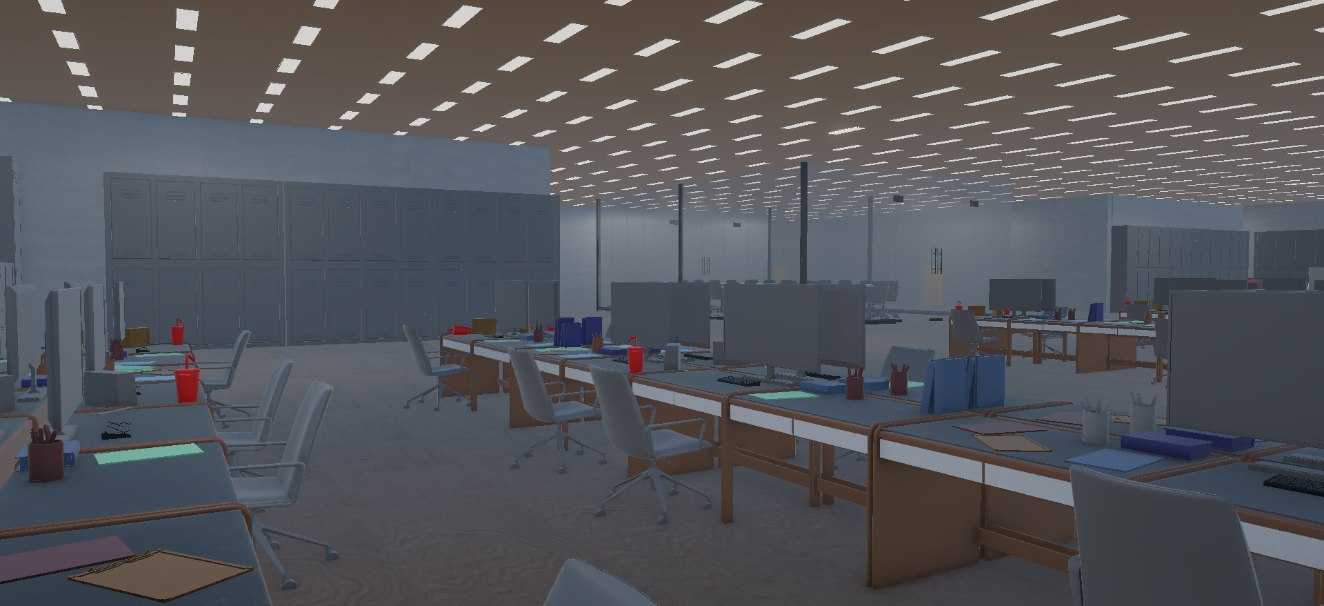
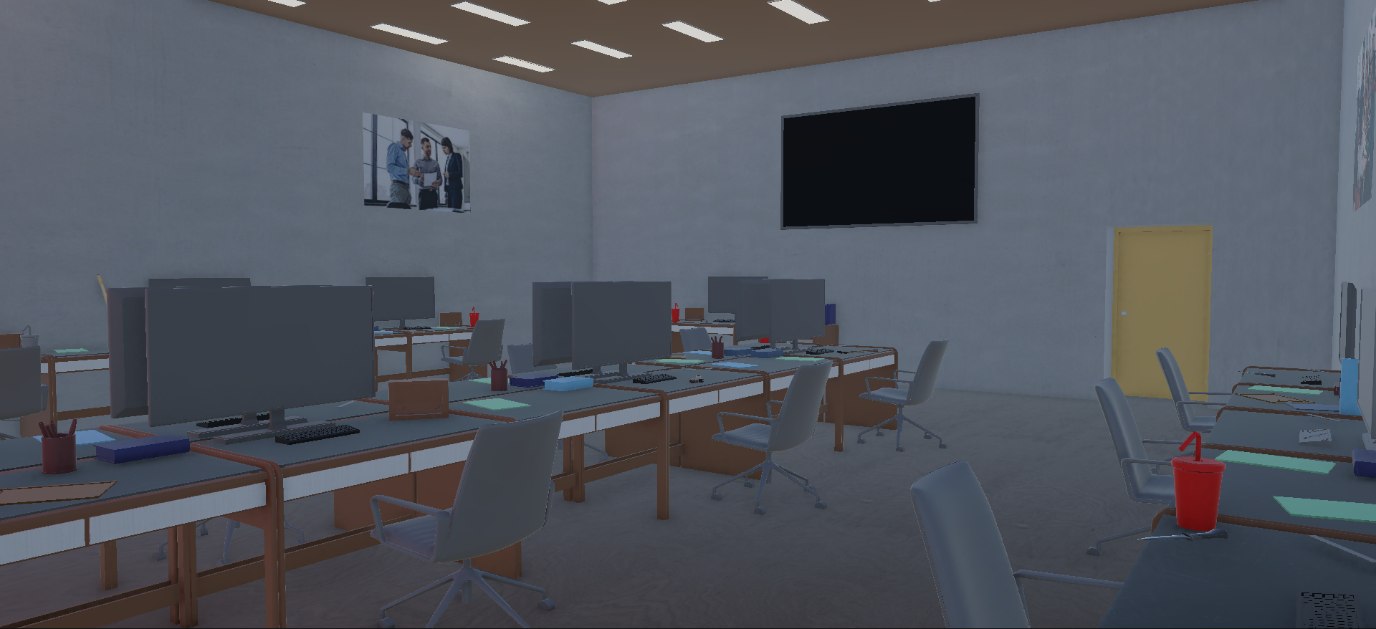
An office after curfew. A cult beneath the floorboards.
Destroy a suit. Only its royalty survives — and the odds shift.
Fix the past to save the future — one clean-energy chapter at a time.
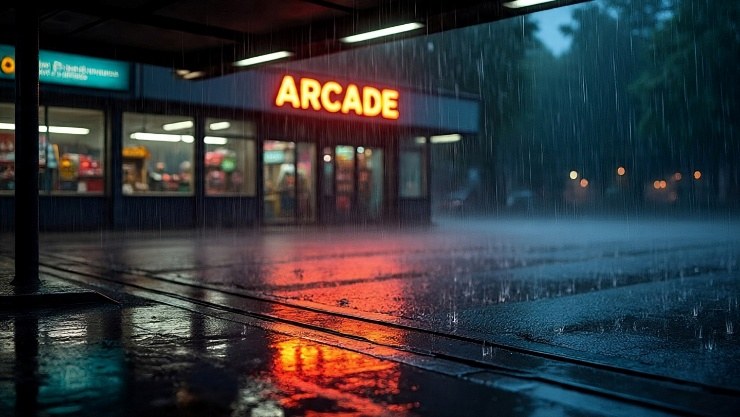
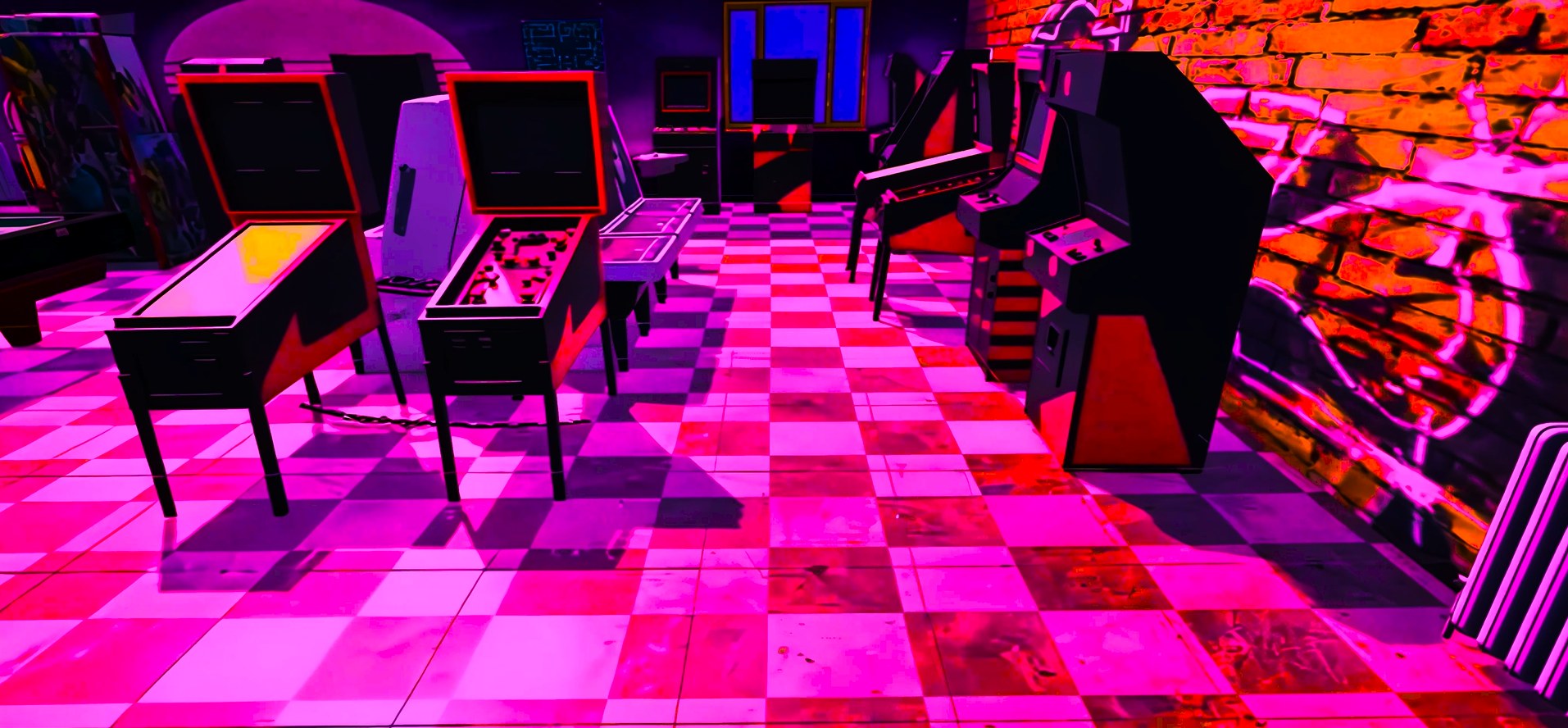
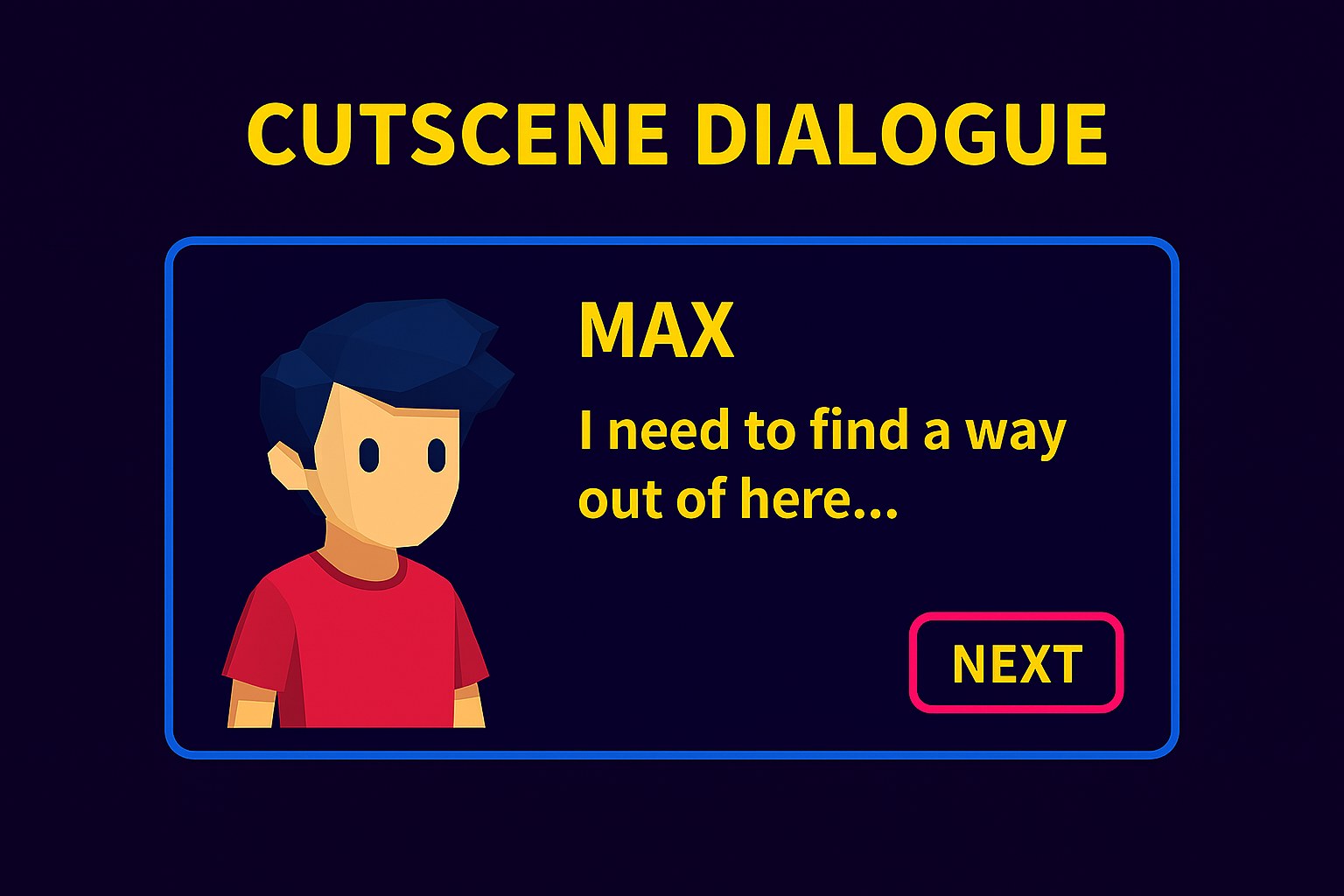
Max, a curious and mischievous boy, is magically pulled into an abandoned arcade. To escape, he must complete ten progressively challenging memory-based mini-games, each hidden inside a glowing cabinet. Every solved game reveals a clue about the arcade's origin — and about Max's own past — building toward a final puzzle that combines everything learned along the way. This was my MA in Game Development (Design) final project at Kingston University London.


Ten completely different memory mechanics could easily feel like ten unrelated apps stitched together. The fix was structural, not visual: one shared control scheme and consistent interaction patterns across all ten, minimizing the interface-learning cognitive load so a young player's effort goes toward the memory challenge itself, not toward figuring out how each new cabinet works. Playtesting with 57 children confirmed it — participants navigated the hub and completed challenges without external guidance, and measurably improved at pattern recognition and recall under time pressure across sessions.
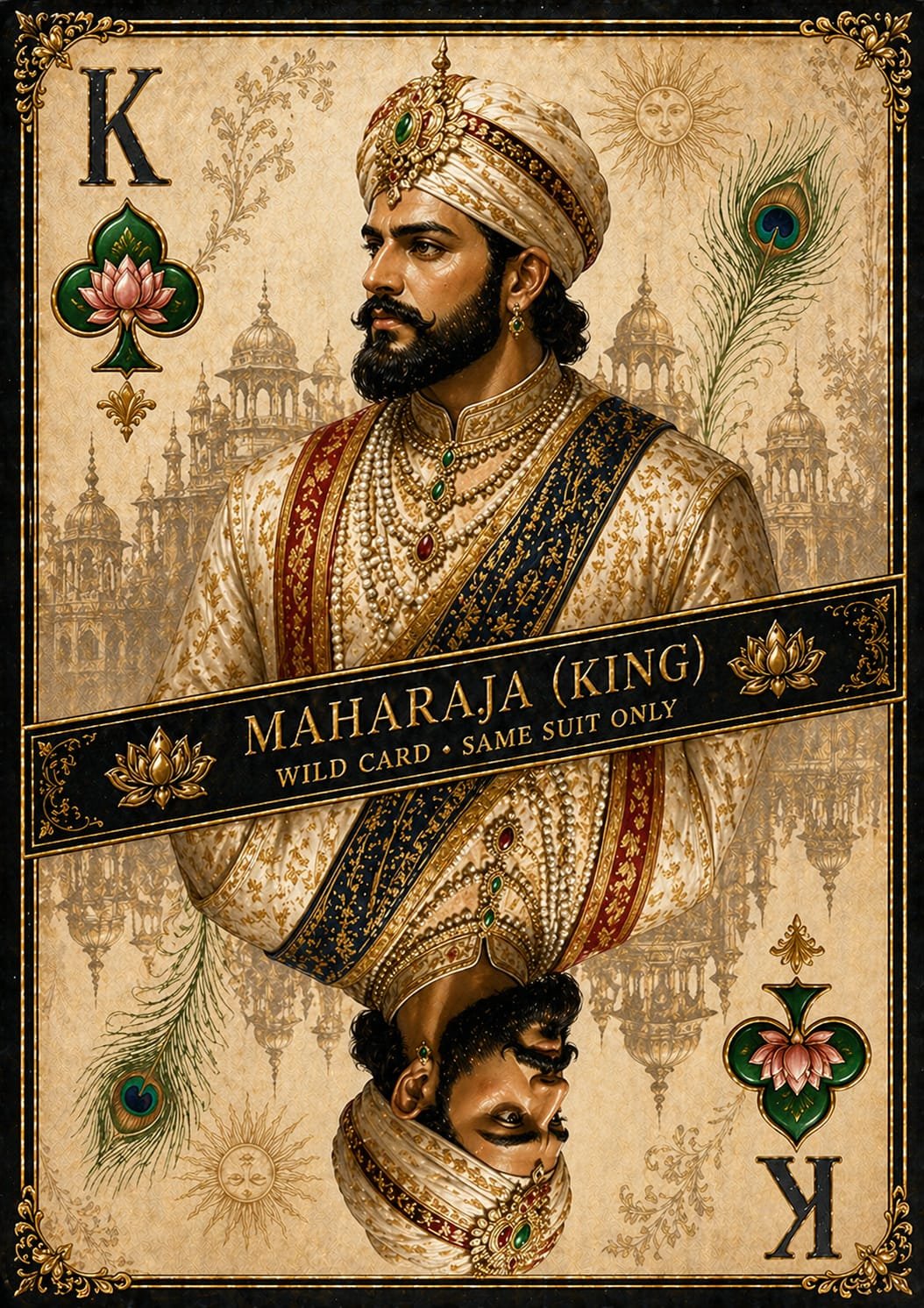
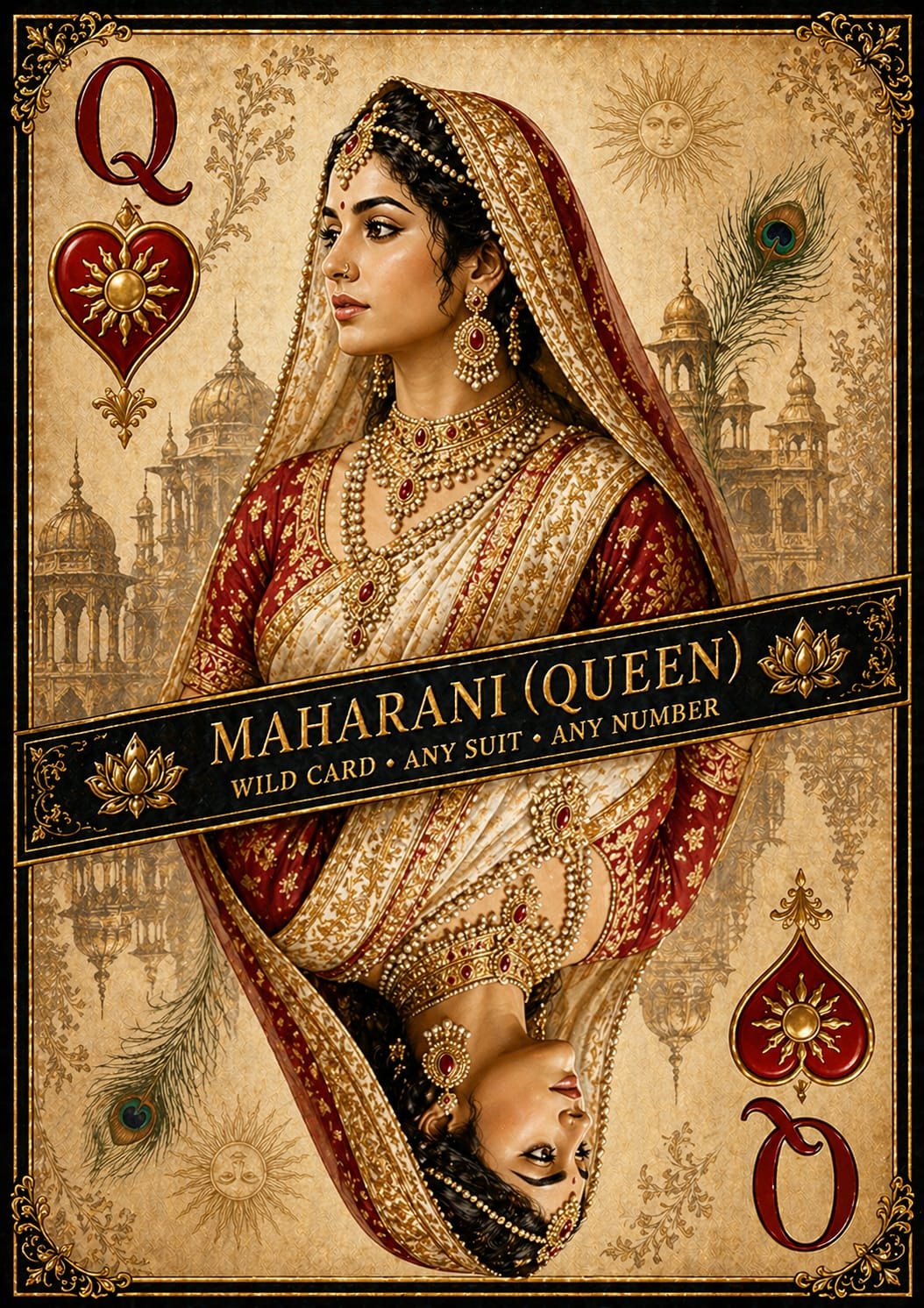
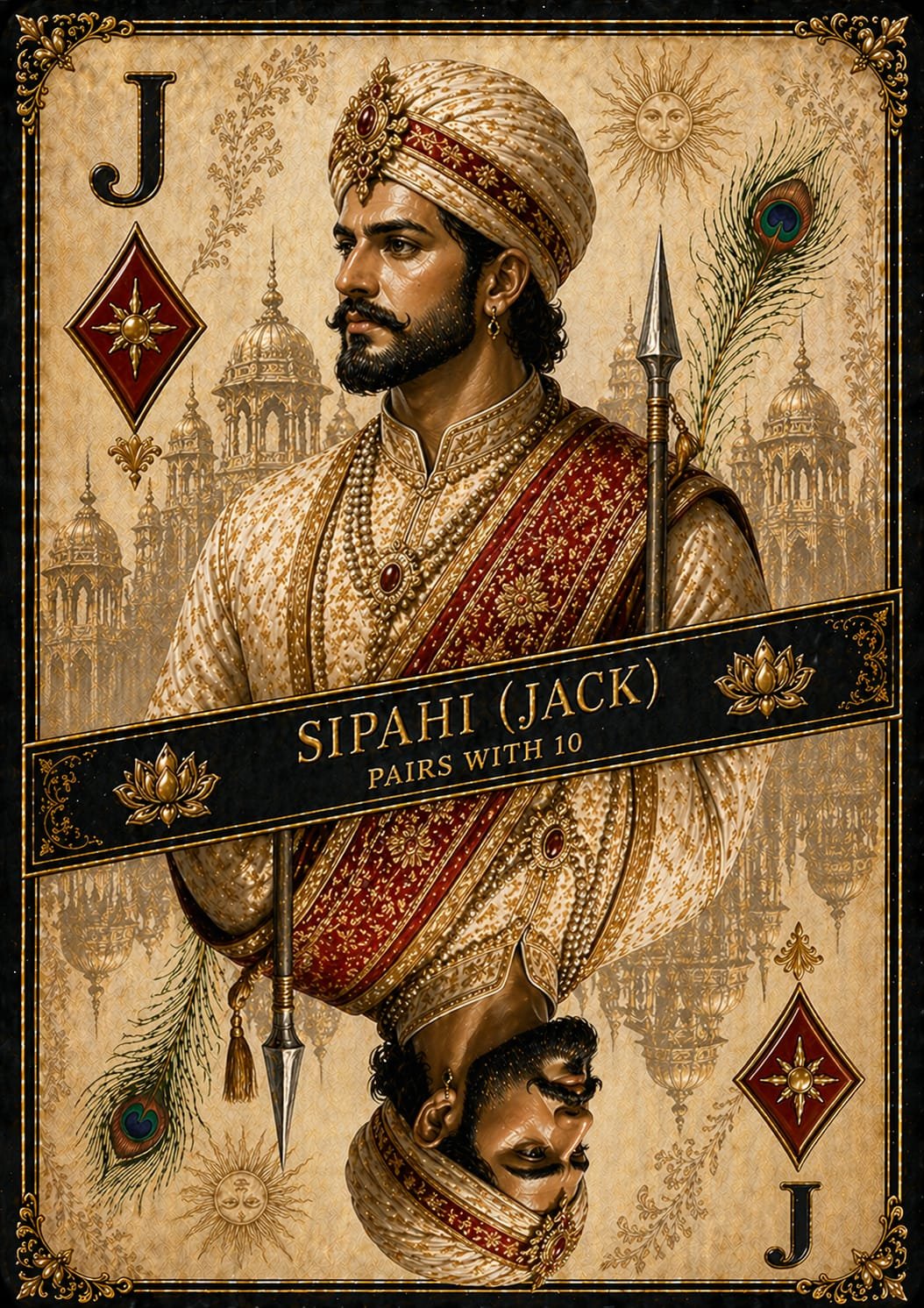
A reskinned 52-card deck built around one idea: rarity should set the price. Players draw and pair cards summing to ten, but four royal face cards — Maharaja, Maharani, Sipahi, Senapati — bend the rules of pairing entirely, and the scoring table is built directly from real card-count probability, not arbitrary numbers.


Most card games assign point values by feel. Here, every number traces back to actual deck composition — a Sipahi pair scores higher than a Maharani pair specifically because there are half as many Sipahi in the deck. The math is the theme.
A Pac-Man-style maze rebuilt as a wagering game: pick a betting range, secretly choose a hidden vault number, then chase glowing cheese-and-wine symbols through a maze that fights back with two very different flavors of hazard — one small and comedic, one big and genuinely costly.


Betting games live or die on whether the math actually holds up. Every symbol value here was rebalanced from scratch — round numbers only, verified against all 35 possible outcomes — so the top payout bracket stays genuinely hard to reach, not just decorative.
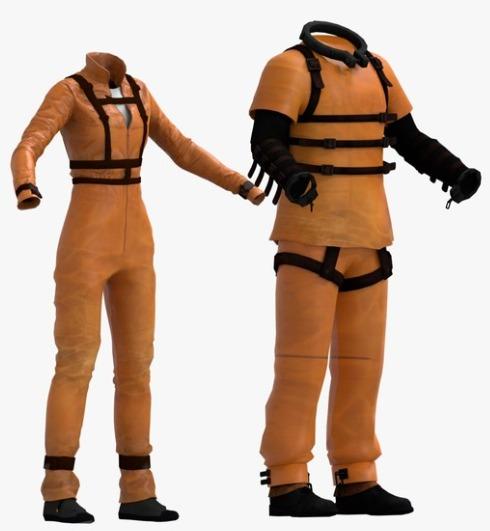
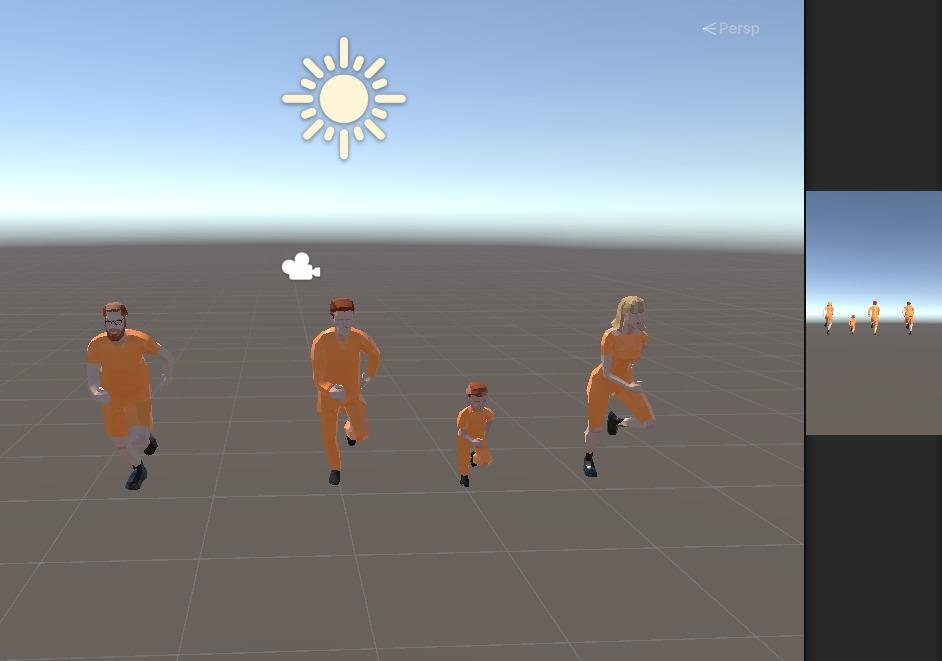
Two prisoner duos — a grandparent and grandchild, and a couple — race for the same lone escape shuttle after their space-station prison breaks apart. Teammates are physically tethered by an elastic sci-fi chain: fall out of sync, and you drag your partner down with you.


The chain isn't a gimmick layered on top of a normal racer — it's the entire game. Every obstacle was designed around the question "how does this test two people's timing, not one," which is a very different design brief than a standard runner.
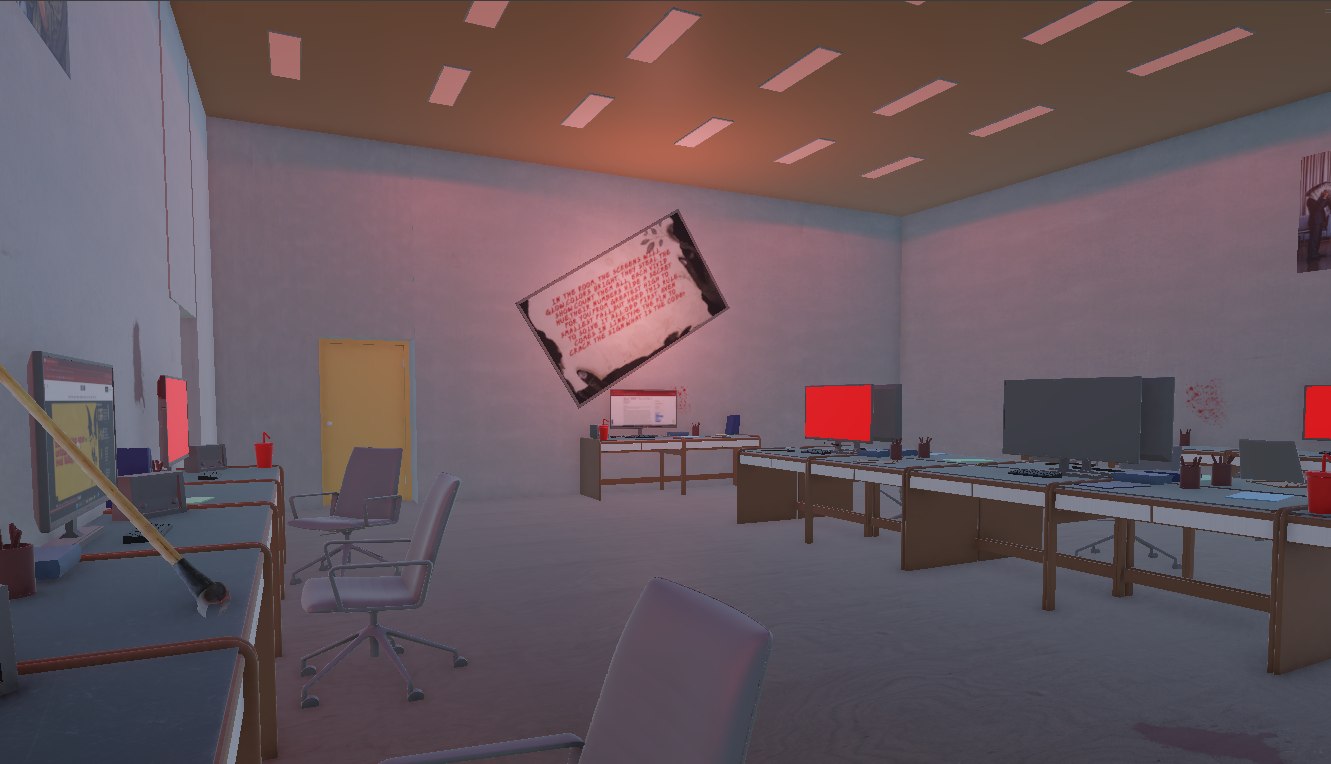
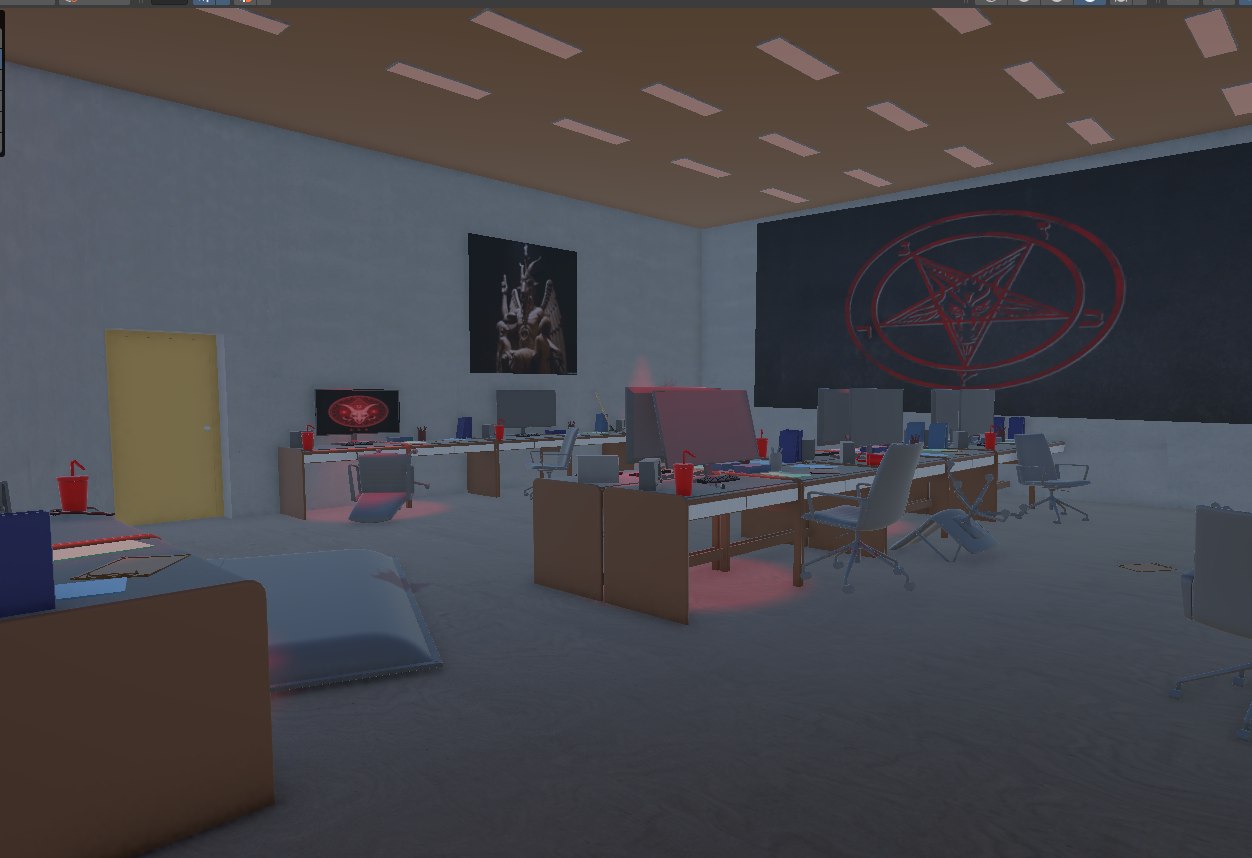
An office worker breaks curfew and wakes up trapped past 9pm. A computer under a red spotlight demands riddles be solved to escape — and each solved room reveals a little more of the satanic cult quietly operating beneath the mundane workplace.


Every room's puzzle mechanic is simple on purpose — the horror had to come from atmosphere and pacing, not difficulty. Sound carries as much of the dread here as anything visual; the audio design isn't a background layer, it's doing narrative work.
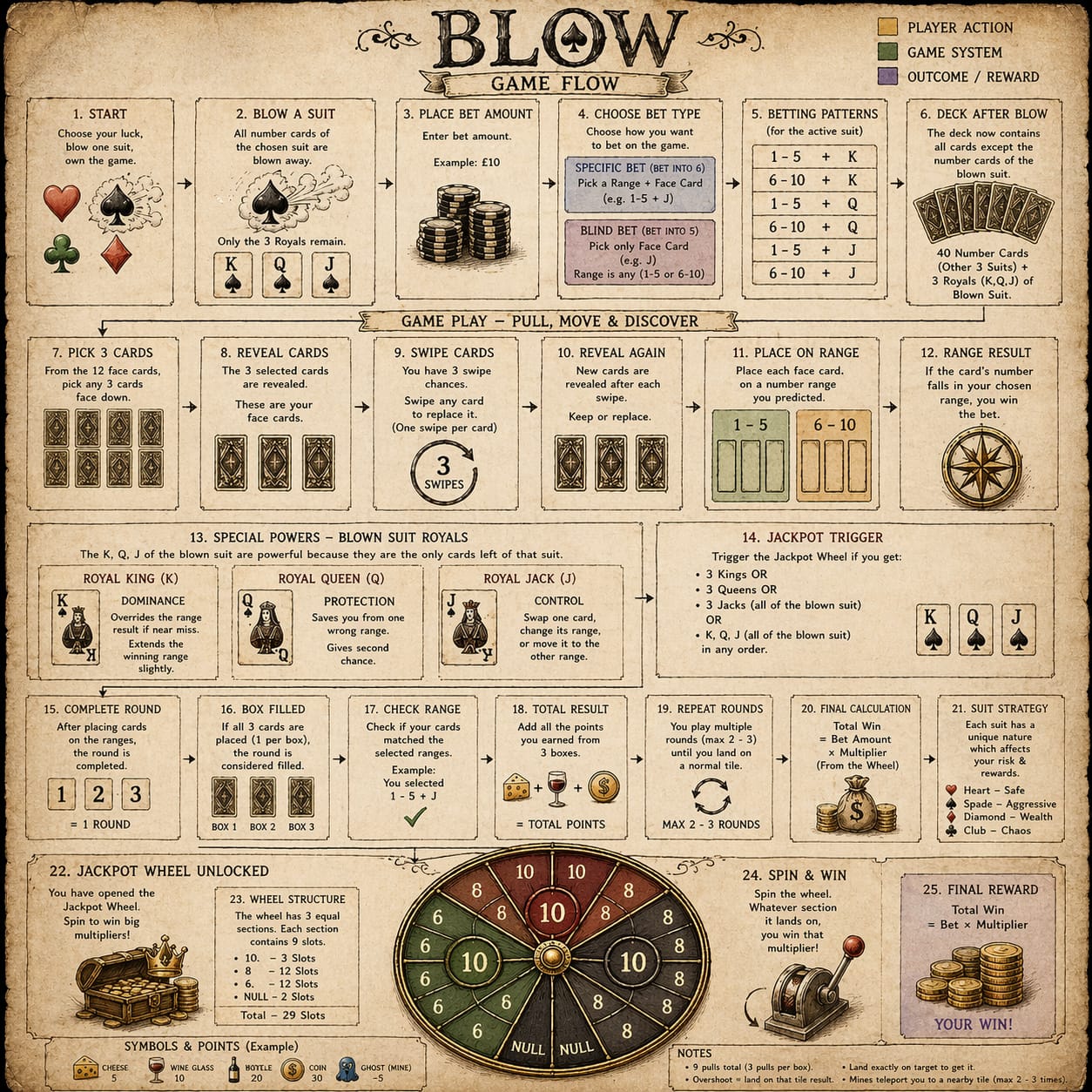
Not a slot machine — a prediction game with a violent twist: the player permanently destroys one entire card suit before the round even starts. Only that suit's King, Queen, and Jack survive, becoming rare "Royal" cards that quietly rewrite the odds for the rest of the round.

Framing the core action as destruction, not selection, changes how it feels to play. You're not picking a suit — you're deciding which kingdom to collapse, and living with only its royalty left standing.
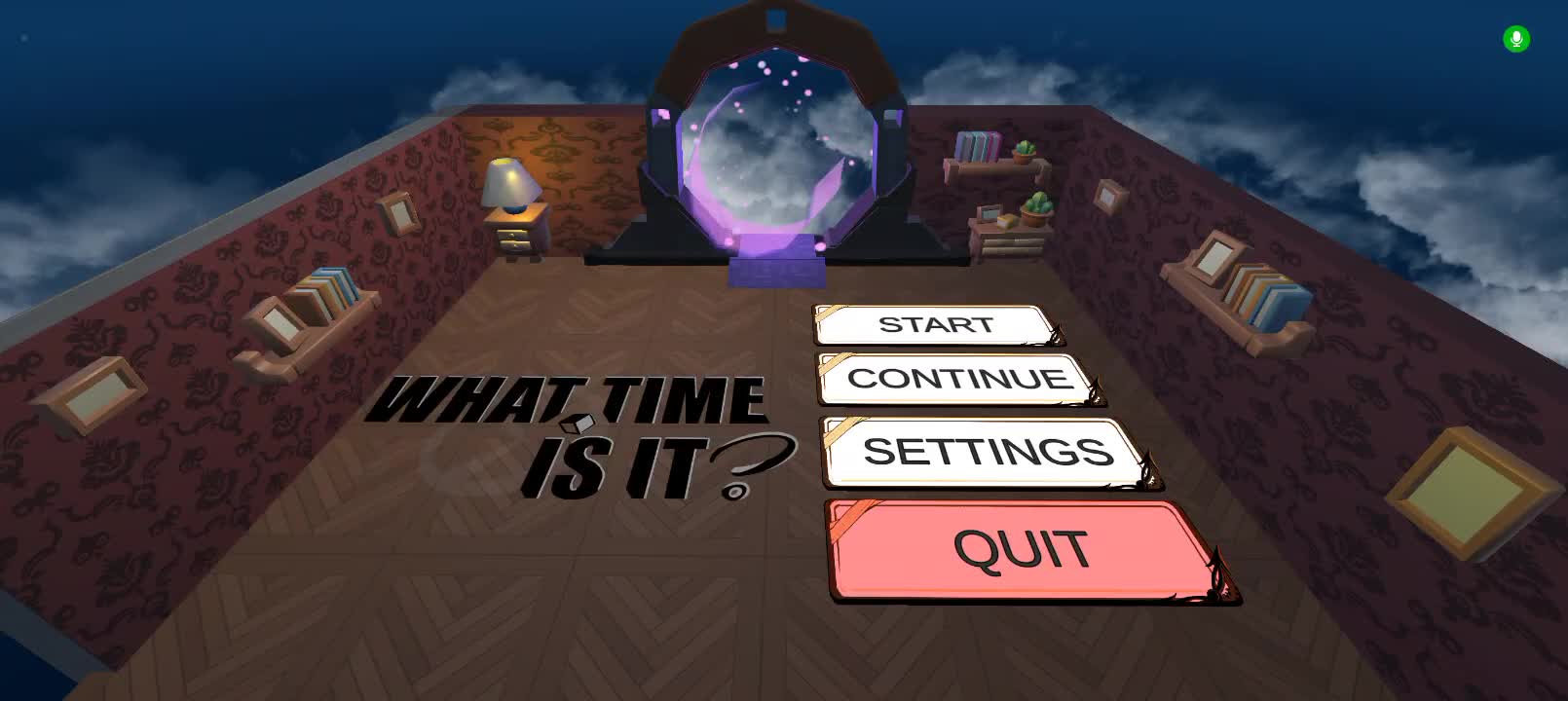
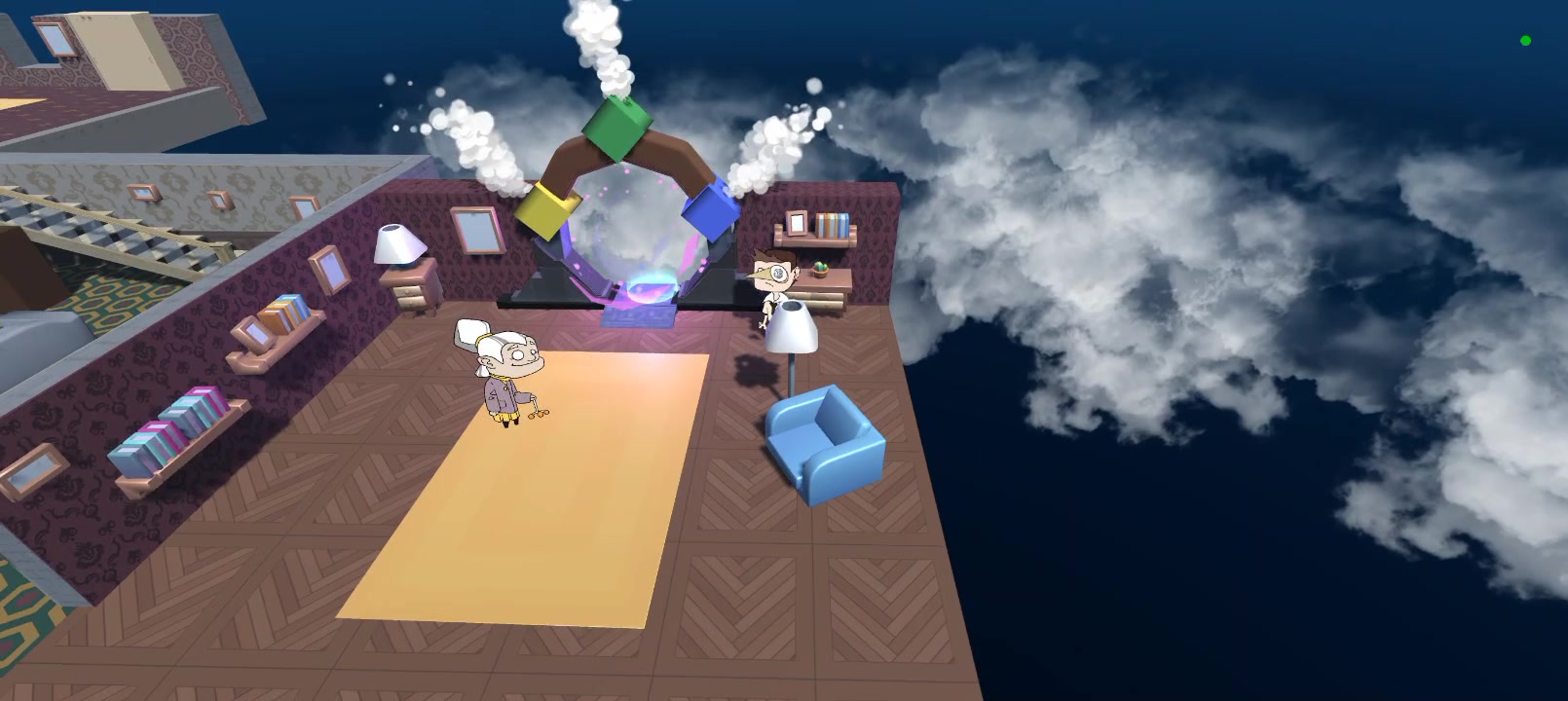
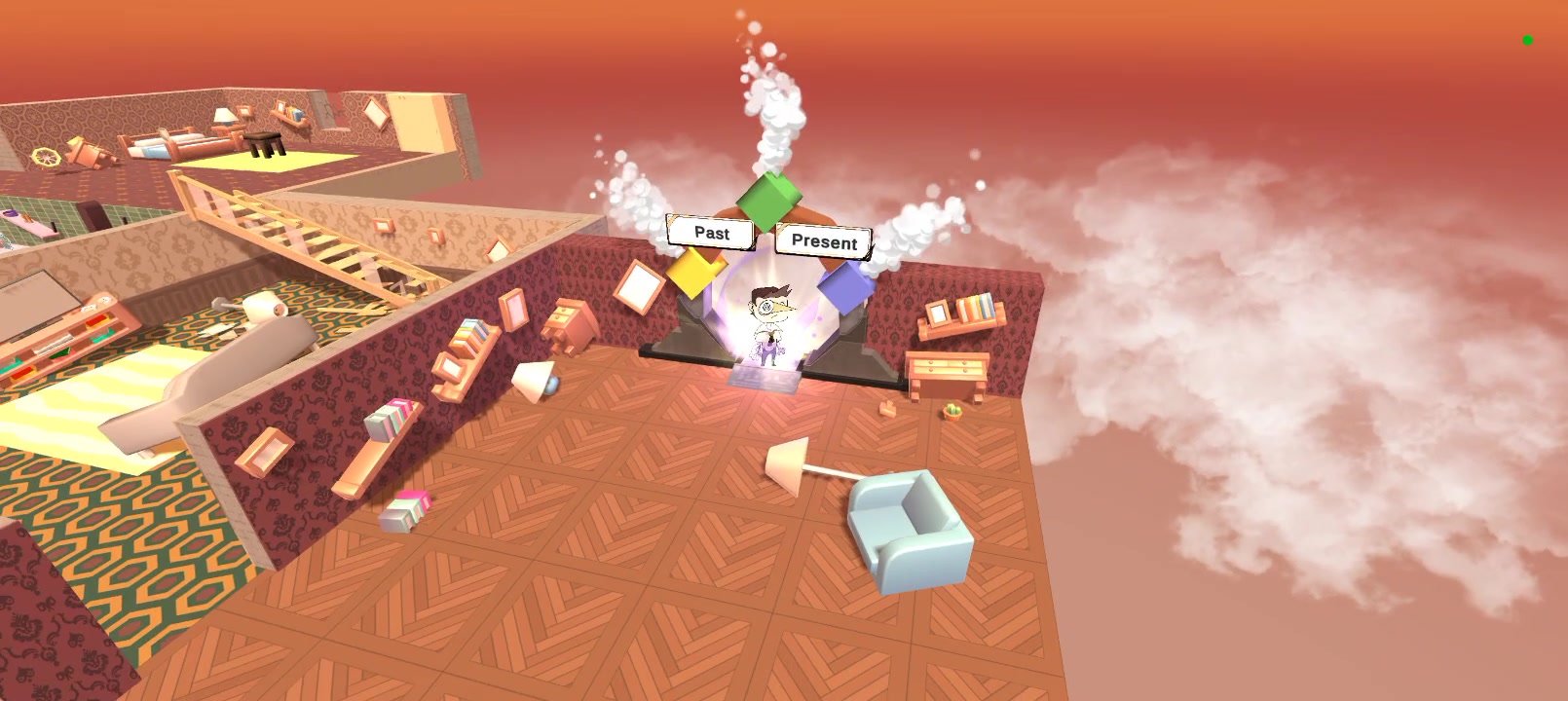
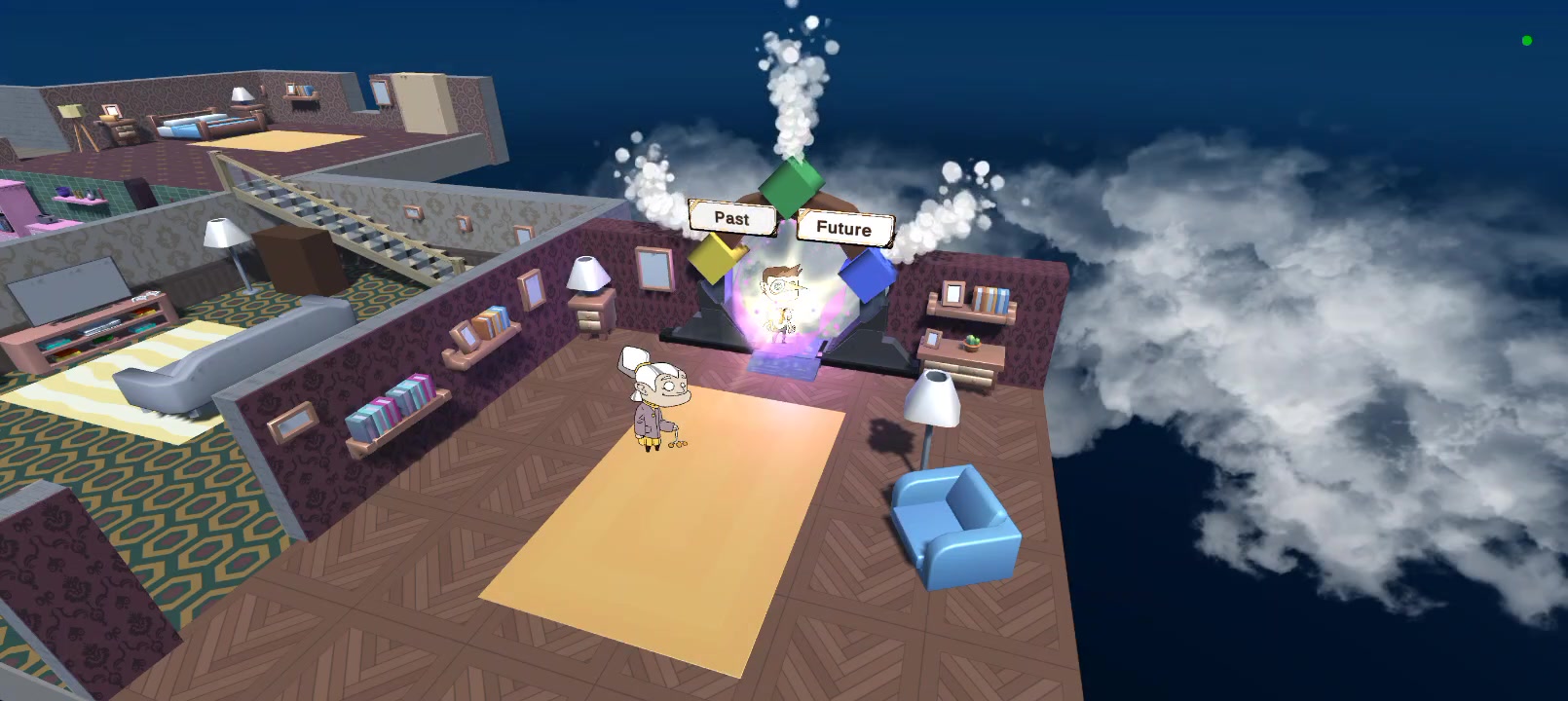
A scientist discovers his grandfather's time machine broke the world's timeline. Traveling between a lush, unspoiled Past and a collapsing Future, the player must redesign three of Grandfather's original inventions — swapping coal for solar, methane for wind — to undo the damage before it's too late.


The three eras aren't just re-skinned levels — they're an emotional structure. The Past is deliberately the "safe, good memory" space precisely because nothing has gone wrong there yet, which makes the Future's damage land harder by contrast.
I'm looking for a team that cares as much about why a mechanic exists as what it does. If that's the kind of work you're building, I'd like to hear about it.